Most of us don’t set out to destroy our own lawns. You spend your weekends watering, feeding, and mowing, but somehow, you still end up staring at a patchy, yellowing disaster by August. It’s enough to make you want to pave the whole thing over and be done with it.
The frustrating part is that many of those ‘tried-and-true’ habits we’ve picked up are actually doing more harm than good. Don’t worry, though, because most of these mistakes are easy to undo once you know what to look for.
Overwatering
This is the one that trips almost everyone up. It feels logical that a daily soak would lead to a lush lawn, but grass is way more resilient than we give it credit for.
When you water it too frequently, you essentially make the grass lazy. The roots have no reason to push deep into the soil for moisture because you’re handing it to them on a silver platter right at the surface.
These shallow roots leave your lawn completely defenceless the moment a dry spell hits. And let’s be honest, with the way summers have been lately, that’s a gamble you’re going to lose.
To get those roots working harder, try watering deeply but less often—maybe two or three times a week when it’s warm. Most lawns only need about 2.5 cm of water a week, and that includes whatever Mother Nature provides from the clouds.
Overall, watering your grass less is a sure-fire way to save money, help the planet, and keep your lawn healthy. Talk about a win-win!
Mowing Too Short
You might think that if you scalp your lawn, you won’t have to mow it again for ages. Unfortunately, it works the opposite way and creates a mountain of stress for the grass.
When you cut off more than a third of the grass blade at once, you basically starve it. It loses its ability to photosynthesise, the roots weaken, and you end up with big gaps that weeds are more than happy to colonise.
Plus, short grass dries out in record time. For most UK lawns, you want to keep the height between 2.5 and 4 cm during the growing season. If a heatwave hits, raise those blades even higher.
Also, don’t mow your lawn when the ground is a soggy mess; you’ll just compact the soil and do more damage than the long grass ever would.
Using the Wrong Fertiliser
We’ve all been there. You’re at B&Q, you see a bag with a picture of a lush green field on it, and you chuck it in the trolley without a second thought. But using the wrong feed at the wrong time is one of the quickest ways to stress out your lawn.
If you apply a high-nitrogen fertiliser in autumn, you’ll essentially be giving your grass a shot of caffeine right when it’s trying to hibernate for the winter. It’ll push out soft, leafy new growth that has absolutely no chance against the first frost.
In the spring and summer, you’ll want to add extra nitrogen for lush growth, but come autumn, you should switch to potassium and phosphorus to strengthen the roots. Just check the label before you buy any product; your lawn will appreciate the effort.
Overlooking Pest Control
The real troublemakers usually work underground, where you can’t see them.
In the UK, we mostly deal with leatherjackets and chafer grubs. They spend their time munching on grass roots throughout the autumn and winter, and by the time you notice yellow patches that lift up, the damage is already done.
You can check for them by cutting a small square of turf and looking about 5 cm down. Don’t feel like performing surgery on your grass? Try this trick: mix some dish soap with water and pour it over the area. The soap will force the larvae to wiggle to the surface.
The best way to handle them is with nematodes—tiny organisms you water into the soil that hunt down the grubs for you.
Remember, though, your timing matters. Those creatures need warm soil to work, so get them in between August and October instead of waiting until the middle of winter.
Not Maintaining Your Lawn Care Equipment
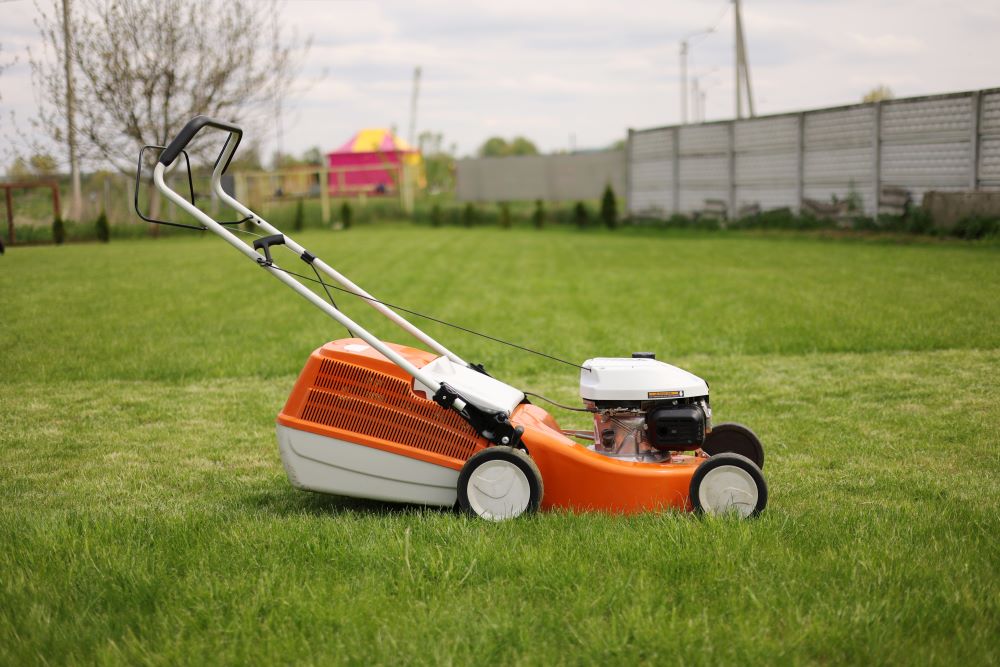
Your mower probably takes a beating more than any other tool in your shed. Between the damp grass and the occasional hidden stone, it’s a miracle it starts at all.
But the real issue is usually the blades. A blunt blade doesn’t actually cut the grass cleanly. Instead, it tears it, leaving you with ragged, brown-tipped ends that look messy and make your grass way more vulnerable to disease.
You should try sharpening your blades once or twice a season to keep them in tip-top shape. While you’re at it, clear out the old, dried grass stuck under the deck.
If you need an extra pair of hands, hiring lawn care experts UK homeowners trust can help you make sure that your tools are always functional. It’s often better than wrestling with a moody machine in the rain later in the year.
Ignoring Seasonal Care
Treating your grass the same way in October as you do in May is a recipe for a sad-looking garden in spring.
Want to keep things on track? Here’s a simple routine you can try:
- Spring. Rake out any thatch that has built up over winter, aerate compacted areas with a garden fork or hollow-tine aerator, and apply a spring feed. If bare patches have appeared, now is the best time to overseed them while the soil is warming up.
- Summer. Take it easy on the fertiliser during hot, dry stretches. Raise your mowing height slightly, water deeply in the mornings, and hold off on any heavy treatments.
- Autumn. Scarify your lawn to remove thatch, aerate thoroughly, and apply an autumn fertiliser that’s low in nitrogen. If you’ve got moss, treat it now so you can rake it out once it’s gone.
- Winter. Avoid walking on frozen or waterlogged grass, and don’t attempt to mow unless the weather has been unusually mild and the grass is visibly growing.
Conclusion
Maintaining your lawn is a bit like looking after a vintage car; it needs the right fuel and a healthy dose of patience when it refuses to start.
But don’t feel bad if you’ve been scalping or over-caffeinating your grass with the wrong feed. Now that you know the secret to seasonal care and deep watering, your lawn will bounce back faster than you’d expect.