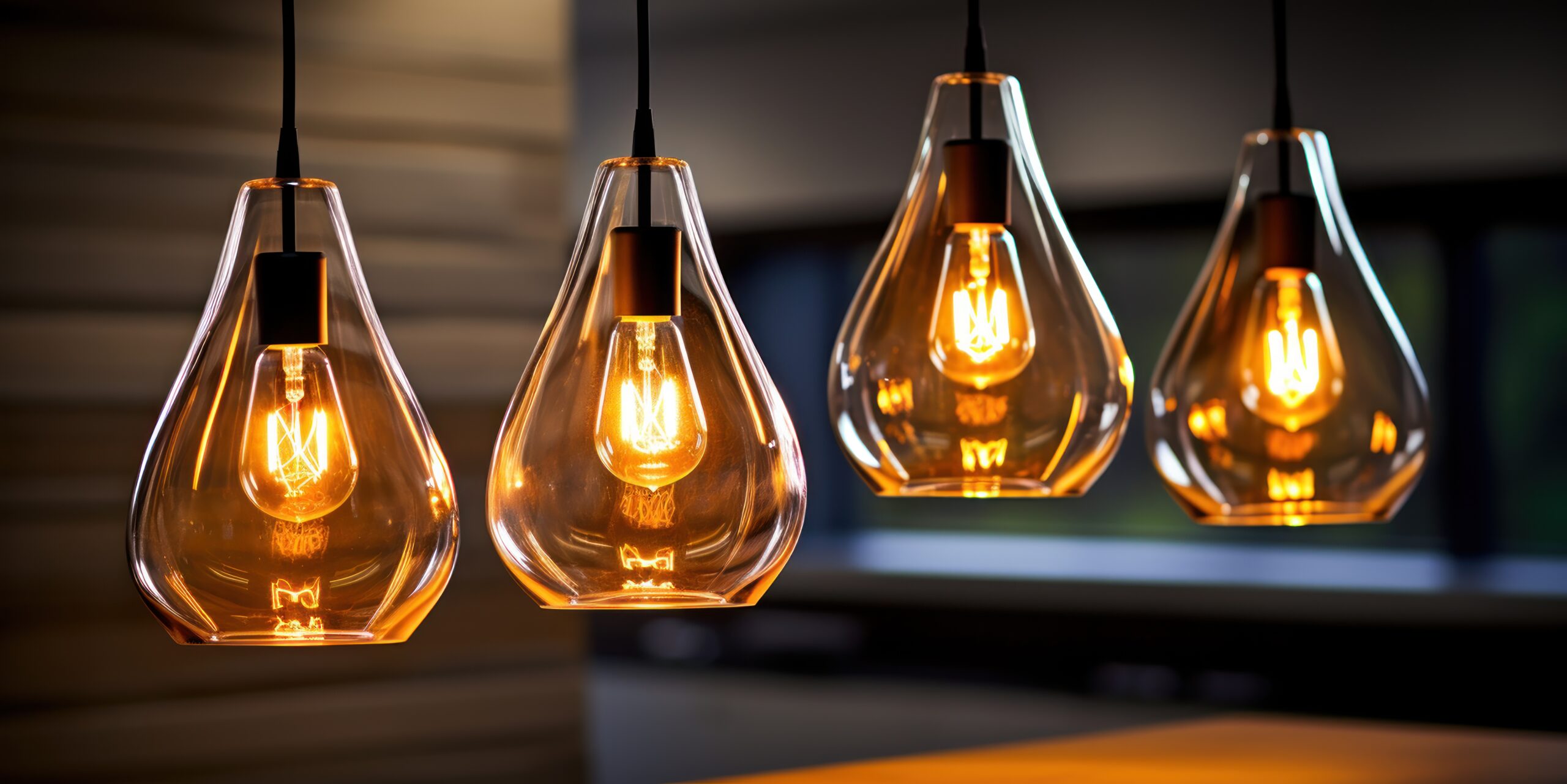
Most people don’t realize how much lighting shapes their everyday life until something feels off. A living room that looks beautiful in photos but feels oddly cold at night. A kitchen where cooking feels like work instead of comfort. A bedroom that never quite lets your mind shut down, no matter how tired you are. Lighting does more than help you see. It influences your mood, your energy, and even how spacious or cozy a room feels. The good news? You don’t need to be an interior designer – or spend a fortune – to get it right. You just need to understand how light behaves in different spaces and how people actually live in them.
Understanding Light Before Choosing Fixtures
Before diving into individual rooms, it helps to understand one simple truth: lighting works best in layers.Think about how natural light changes throughout the day. Morning light is soft and motivating. Evening light is warmer and calmer. Your home lighting should mimic that rhythm as much as possible.
Most great lighting combines three elements:
- Ambient light for overall visibility
- Task light for focused activities
- Accent light to add depth, warmth, and personality
When all three quietly work together, a room feels effortless – like it’s always welcoming you in.
Living Room: Where Comfort Meets Flexibility
The living room is rarely just one thing. It’s where you relax, entertain guests, scroll on your phone, watch movies, and sometimes even work. That’s why relying on a single ceiling light is almost always a mistake. Instead, imagine the space at night. A soft floor lamp in one corner, a table lamp near the sofa, maybe a subtle wall light highlighting a bookshelf or artwork. Suddenly, the room feels layered and alive.Warm light works best here – something that feels similar to sunset rather than daylight. If you like watching movies, indirect lighting behind the TV or low lamps positioned away from the screen can reduce eye strain without breaking the mood. The goal isn’t brightness. It’s balance.
Kitchen: Bright, Clean, and Energizing
The kitchen is where lighting needs to work. You’re chopping, cooking, cleaning, and moving constantly, so visibility matters. Overhead lighting provides general brightness, but it’s rarely enough on its own. Shadows on countertops can make simple tasks frustrating – and even unsafe. Under-cabinet lighting is one of the most underrated upgrades you can make. It quietly lights your work surfaces without flooding the entire room. Pendant lights over an island or dining counter add both function and character.
Unlike the living room, kitchens benefit from a slightly cooler light tone. It feels cleaner, sharper, and more energizing – perfect for early mornings or busy evenings.
Dining Room: Setting the Emotional Tone
If the living room is about comfort, the dining room is about connection.Think about your favorite dinners. Chances are, they weren’t under harsh overhead lighting. A single pendant or chandelier centered over the table, hung low enough to create intimacy, can completely transform the experience.Dimmer switches are especially powerful here. Bright enough for homework or hosting, softer for long conversations that stretch into the night.
This is one place where lighting becomes storytelling – it frames moments without stealing attention.
Bedroom: Lighting for Rest, Not Just Sleep
Bedrooms often get overlooked, even though they’re where your day begins and ends.Overhead lights alone can feel too abrupt, especially at night. Bedside lamps or wall-mounted lights offer gentler options for reading or winding down. Warm tones help signal to your brain that it’s time to rest.If you wake up early or struggle with dark mornings, consider lighting that gradually increases in brightness – mimicking sunrise. It’s a subtle change that can make mornings feel less aggressive. Lighting here shouldn’t demand attention. It should quietly support calm.
Bathroom: Clean Light Without Harshness
Bathrooms need clarity – but not at the cost of comfort. The biggest mistake people make is placing a single light above the mirror. It creates unflattering shadows and makes tasks like shaving or applying makeup harder than necessary. Side lighting – fixtures placed at eye level on both sides of the mirror – offers more even illumination. Combine that with overhead light for general brightness, and suddenly the space feels both functional and flattering. Neutral light works best here, striking a balance between warm and cool so skin tones look natural.
Home Office: Focus Without Fatigue
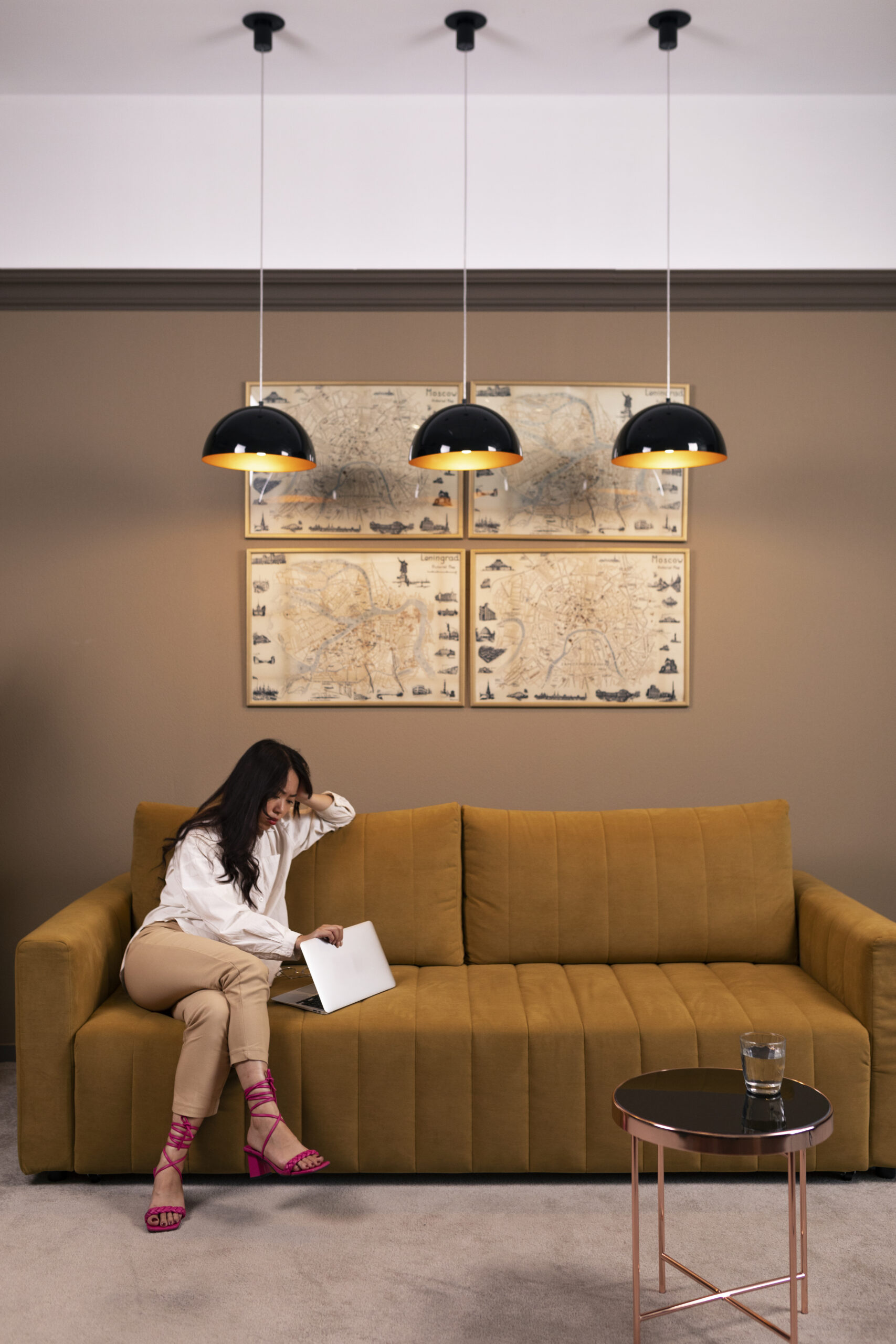
Working from home means lighting affects productivity more than ever.Natural light is ideal, but it’s not always available. When it’s not, task lighting becomes essential. A good desk lamp that illuminates your workspace without shining directly into your eyes can reduce fatigue and help you stay focused longer.Avoid overly warm lighting – it can make you sleepy. Instead, aim for light that feels like daytime without being harsh.Your office lighting should support concentration, not compete for attention.
Hallways and Entryways: First Impressions Matter
These spaces are often treated as afterthoughts, but they set the tone for your entire home.Soft, welcoming lighting in entryways makes coming home feel grounding. In hallways, wall sconces or subtle ceiling fixtures prevent dark corners and add rhythm as you move through the space.Good lighting here quietly guides you without you even noticing.
Smart Lighting and Everyday Convenience
Modern lighting isn’t just about fixtures anymore – it’s about flexibility.Smart bulbs and systems let you adjust brightness and tone throughout the day. You can wake up to soft light, work under brighter tones, and relax at night without touching a switch.Some systems even integrate with accessibility tools like text to voice, making it easier for people to control their environment hands-free. Small features like this often end up being the ones you appreciate most over time.
Lighting as a Reflection of How You Live
The best lighting doesn’t follow trends – it follows people.It adapts to habits, moods, and routines. It changes with the seasons. It supports quiet nights and lively gatherings without ever demanding attention. If there’s one takeaway, it’s this: choose lighting based on how you actually use a space, not how it looks in a catalog. Even small changes – a lamp here, a warmer bulb there – can dramatically improve how your home feels. And when lighting works, you don’t just see your space differently. You live in it differently.
Let Your Home Tell Its Story Through Light
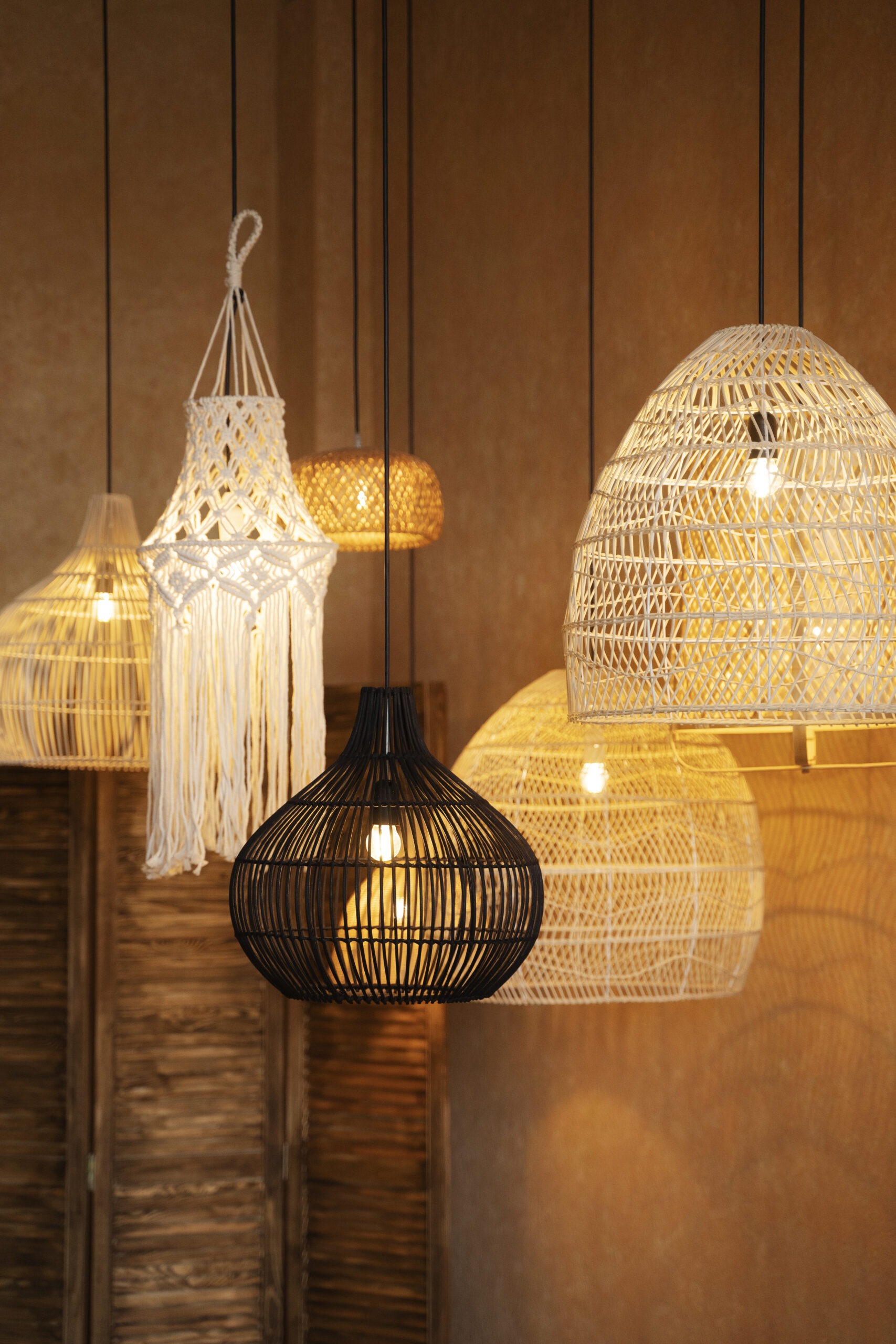
Lighting isn’t just a design choice – it’s an experience you live with every day. The right light can make a quiet evening feel comforting, a busy morning feel manageable, and a shared meal feel memorable. When you stop thinking about lighting as decoration and start seeing it as atmosphere, everything shifts. You don’t need to redo your entire home at once. Start with one room. Pay attention to how it feels at different times of day. Notice where light supports you – and where it doesn’t. Small, thoughtful changes often have the biggest impact. In the end, the best lighting isn’t the brightest or the most expensive. It’s the kind that adapts to your life, reflects your routines, and makes your home feel like a place you truly belong.