With Dublin property prices holding steady and stamp duty costs remaining a significant hurdle for second-time buyers, a growing number of homeowners are shelving plans to trade up. The traditional ladder-climbing strategy, moving from a starter home to a “forever home” is being paused. Instead, families are doubling down on the property they already own.
The trend of “Strategic Renovation” is dominating the local market in 2026. Rather than facing the immense stress of a property chain, the uncertainty of bidding wars, and the sunk costs of legal fees, families are unlocking “dead equity” in their current homes. They are redirecting the €15,000–€30,000 that would have vanished into moving costs and investing it directly into upgrading key asset areas like bathrooms and flooring.
The “smart money” upgrade
Estate agents have long advised that kitchens and bathrooms sell houses. But in the current climate, a high-spec bathroom renovation is offering a competitive Return on Investment (ROI) that outperforms many other home improvements. In a market where buyers are increasingly wary of “fixer-uppers” due to high labor costs, a turnkey home commands a premium.
“A tired bathroom is the first thing a potential buyer knocks price off for,” explains Constantin, spokesperson for Kae’s Tiling, a firm specializing in high-end refurbishments and bathroom renovations across Sandyford, Clontarf, and South Dublin (and not only). “We are seeing a shift in mindset.
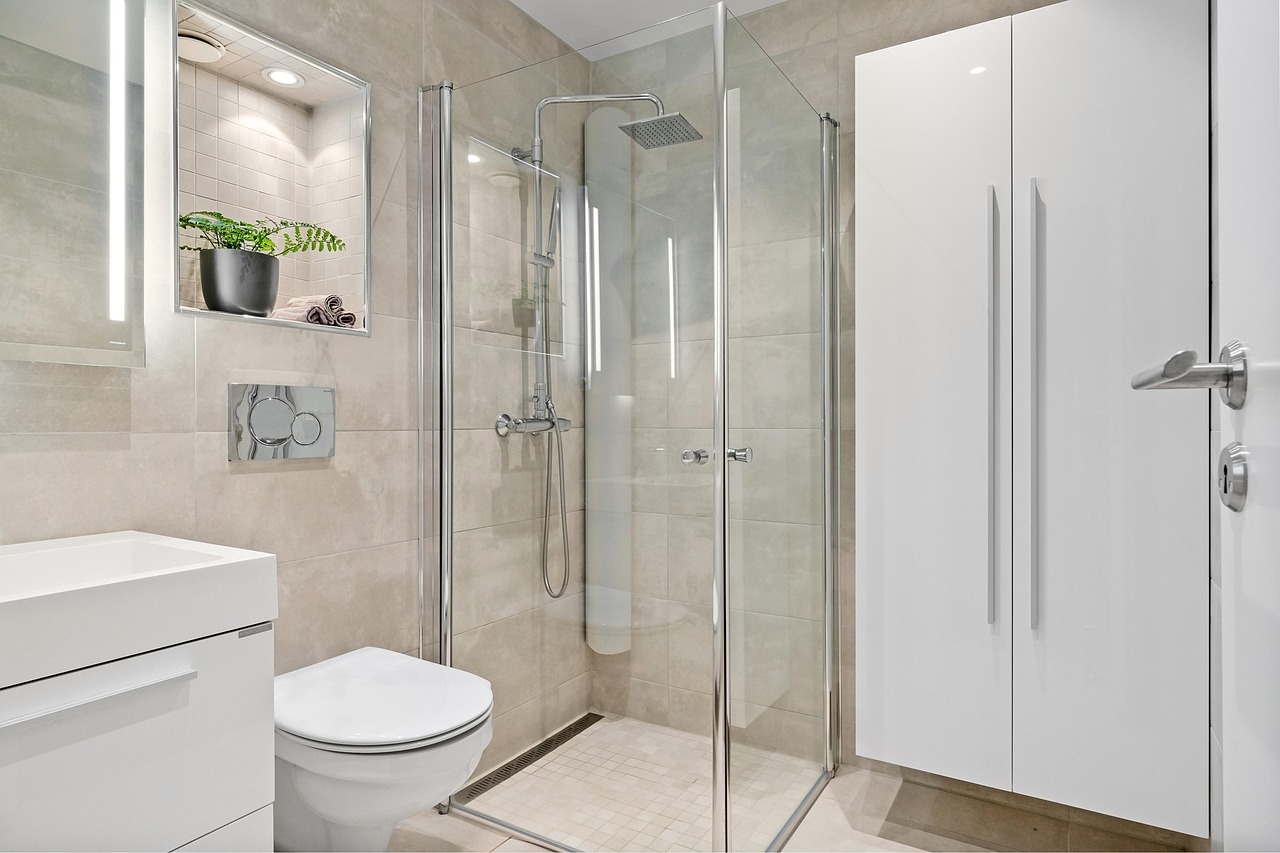
Clients are treating renovations as an investment strategy rather than just a maintenance issue. They aren’t just replacing a chipped toilet; they are installing energy-efficient underfloor heating, digital showers, and high-grade large-format porcelain flooring. These are tangible, structural upgrades that push a property into a higher bracket and future-proof the BER rating.”
Solving the space issue. Reimagining the layout
It’s not just about financial value; it’s about livability. Many standard 3-bed semi-detached homes in Dublin, particularly those built in the 1970s and 80s, suffer from poor spatial planning. The notorious “box room” ensuite, barely large enough to turn around in, is a common frustration.
“We’re doing a lot of structural reconfiguration,” says Kae. “Homeowners assume they are stuck with the walls they have, but that’s rarely the case. We are knocking two small, dysfunctional spaces like a separate toilet and bathroom into one luxury family spa. Or we are ripping out unused, water-hogging bathtubs to create spacious walk-in wet rooms with rainfall showers.”
This structural approach changes the psychology of the home. By prioritizing flow and light, these renovations make a 40-year-old house feel like a 2026 new build, without the crippling mortgage hike or the need to leave a beloved school district.
The “Hotel at Home” aesthetic
There is also a lifestyle driver at play. With hybrid working now a permanent fixture for many Dubliners, the home must work harder. The bathroom has become the primary zone for decompression. The demand for “hotel-style” finishes, floating vanities, backlit mirrors, and niche lighting is soaring. It is no longer just a washroom; it is a sanctuary from the Zoom calls in the spare room.
Local impact and the trade economy
For Dublin tradespeople, this shift means busy schedules and a demand for higher skill sets. With more homeowners choosing to stay put, the demand for skilled tilers, waterproofers, and reliable project managers is at an all-time high. It signals a mature market where quality craftsmanship is valued over quick fixes.
Ultimately, “strategic renovation” proves that you don’t need a moving van to change your life. Even in a complex housing market, we still love our homes, we just need to make them work for us.