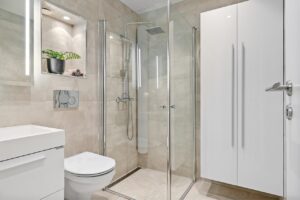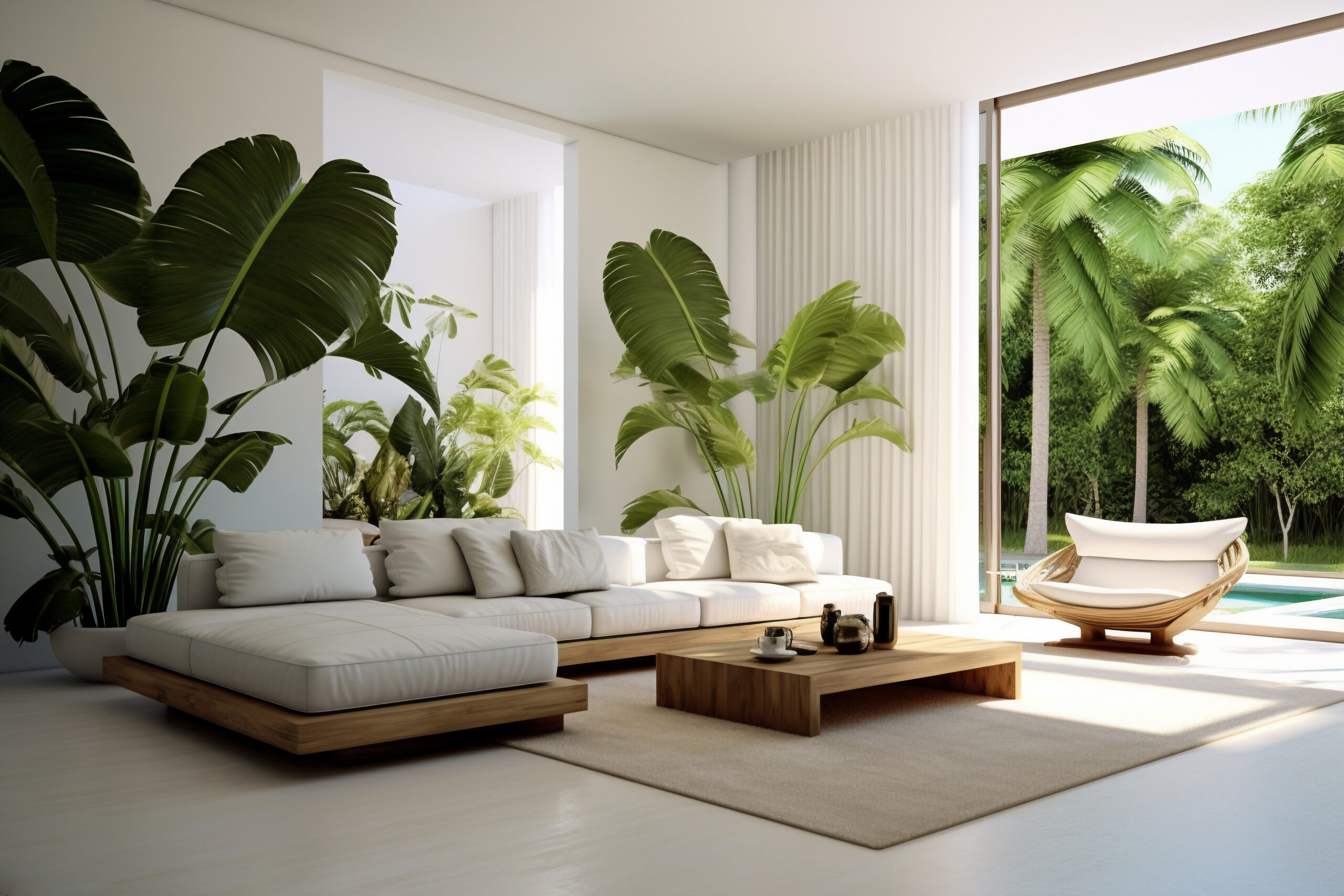
The concept of sustainable home design developed into a niche choice, but it has become a characteristic feature of contemporary rentals. The current generation of renters is demanding a home that would be aesthetically pleasing, comfortable, and environmentally friendly. An environmentally mindful residence can minimize negative impact, but also increase long-term habitability and marketability. Regarding the competitive areas of the rent, the experts at Oakland property management propose that combining eco-friendly design (thorough energy use, responsible materials, and universal design) generates greater demand and leads to a higher overall rental price for the building. Sustainability style is no longer a trade-off; it is a choice that is made with care to bring about style and functionality at a high level.
Five Smart Ways to Create a Home That Is Stylish and Sustainable
Choose Sustainable Materials That Add Long-Term Value
According to specialists in property management in the Bay Area, incorporating sustainable and durable materials such as bamboo floors, used wood accents, recycled metal parts, or low-impact composites will provide that type of property with long-term, attractive value and further increase its overall rental value. These materials ease the pressure on the environment and provide coziness, touch, and visual richness that are appealing to contemporary tenants.
In addition to aesthetics, sustainable materials are usually more durable to wear, hence suitable for a rental setting. Long-lasting flooring and surfaces minimize the replacement and maintenance expenses.
Did you know?
Oakland’s rental market has shown steady momentum, with average rents rising by approximately 3–4% year over year.
Design With Energy Efficiency at the Core
One of the most effective ways to create a home that is not only eco-friendly for the planet but also acceptable to a renter is through energy-efficient design. Considerable insulation, properly closed windows, and energy-saving equipment save utility usage but keep the building comfortable all year round. LED lighting, combined with reflective surfaces and light-colored walls, increases brightness without consuming much energy.
These design choices will help reduce operating expenses and improve daily comfort, which are two things that really affect renters’ satisfaction. Houses with regular temperatures and effective lighting are always more planned and purposeful, which contributes to the idea of quality and attention. With time, energy efficiency is a characteristic feature that makes the difference in properties regarding competitive rental listings.
Opt for Low-Impact Finishes and Health-Conscious Choices
Sustainable style does not just stop at the visible material, but it goes to what cannot be seen. Natural sealants, zero-VOC and low-VOC paints, and water-based finishes enhance healthy indoor air and do not compromise durability or color richness. Such selections make better interiors without compromising on aesthetics.
Soft greens, warm beiges, dull grays, and neutral, nature-inspired palettes are optimal reflectors of light and provide a timeless backdrop that complements a wide range of furnishings. Finishes that are health-conscious minimize the impact on the environment over time and aid in a better place of living, and are particularly important in rental properties where the occupants will change.
Did you know?
Across the Bay Area, average rents have increased by roughly 4–5% annually
Furnish Thoughtfully to Reduce Waste and Enhance Function
The choice of furniture is important in sustainable design. Durable and multifunctional items will reduce waste and maximize utility. Modular shelving, built-in furniture seating, and flexible furniture layouts (modular) promote flexible living without any unnecessary consumption.
Artworks made of sustainably sourced wood, recycled metals, or reused materials create a certain personality and are consistent with the values of eco-friendliness. Considerate furnishing also means avoiding crowding spaces and letting air circulate to create efficient, usable space. An elegantly decorated house that focuses on quality rather than quantity is crafted and never disposable, as it demonstrates sustainability through its permanence.
Incorporate Natural Elements for Comfort and Balance
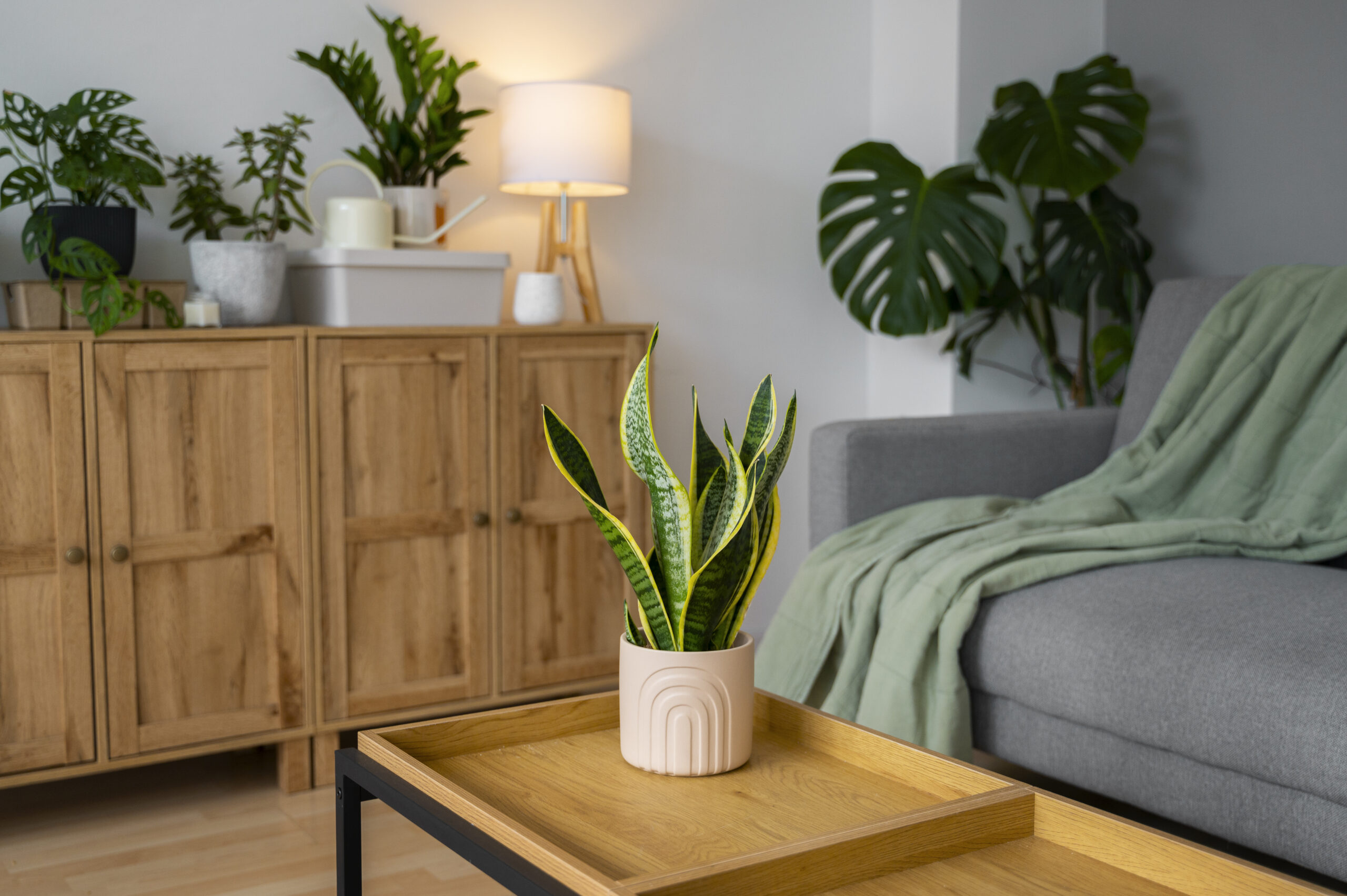
The introduction of nature into the living room helps improve sustainability and increase aesthetic value. Plants placed indoors enhance indoor air quality and humidity, and provide organic surfaces in the places where people live. Natural fabrics like wool, linen, or cotton substitute for more synthetic fabrics and help create a more relaxed and more in-touch environment.
The use of light windows, layouts, and surfaces that reflect natural light maximizes the use of natural light to create inviting interiors and minimizes the use of artificial lighting. These biophilic features create a feeling of harmony and healthiness, and homes are more aligned with their surroundings and attractive to long-term tenants.
End Point
Sustainable style is an assurance that environmental responsibility and gorgeous design can go hand in hand. By using smart material selections, energy-saving designs, healthy finishes, durable furniture, and natural materials, houses are gentler on the environment and more attractive. These daily choices in competitive rental markets result in high demand, retention, and long-term value. Sustainable design is not a sacrifice, but rather the ability to design beautiful homes that should last, work, and inspire equally.